Understanding Your Mobility Scooter
Before you hit the road, familiarise yourself with the specific features and capabilities of your mobility scooter. Each model has unique controls, weight limits, and battery life, which are crucial for safe operation. Read the user manual thoroughly and practice manoeuvring in a safe, open space.
General Safety Tips
Use Reflective Gear: If you plan to travel in low-light conditions, wearing bright or reflective clothing can make you more visible to others, especially drivers.
Check Your Scooter Regularly: Regular maintenance is essential. Check the brakes, tires, batteries, and lights (if fitted) before each use to ensure everything is in good working order. Please contact Lightweight Scooters for yearly servicing or any other matter that you are concerned about.
Navigating Different Terrains
Smooth Surfaces: Most mobility scooters are designed for use on smooth, paved surfaces. When riding on sidewalks, ensure they are clear of obstacles and avoid uneven surfaces.
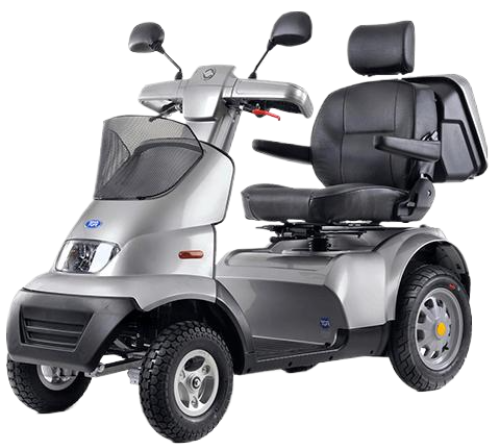
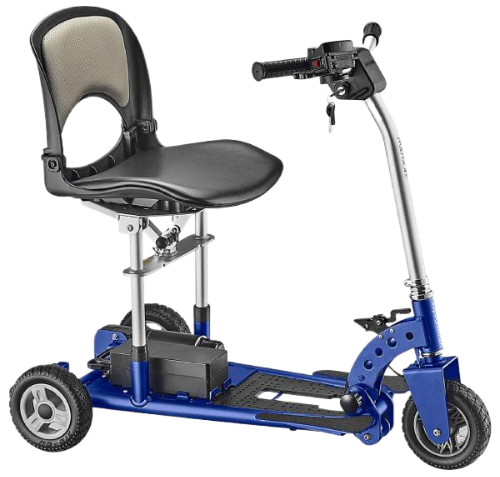
Rough Terrain: If you need to navigate gravel paths, grass, or uneven ground, ensure your scooter is equipped for off-road use. Proceed slowly and be cautious of potential hazards like potholes or roots. If you plan to use your scooter for rougher terrain, please always mention this to our sales team prior to purchase so that the most suitable product is purchased, be it a
SupaScoota Sprint,
XL or
SupaLite 4 Sport as all of these models have capability for gravel paths and grass areas.
Hills and Inclines: When approaching a hill, assess its steepness and ensure your scooter can handle the incline safely. Ascend and descend hills at a slow, steady pace, and avoid sudden stops or starts.
Wet or Icy Conditions: Be extra cautious in wet or icy conditions, as these can make surfaces slippery. Reduce your speed and take wider turns to maintain stability.
Understanding Traffic Laws
Know the Rules of the Road: Mobility scooter users especially Lightweight Scooters customers are considered as pedestrians. Familiarise yourself with the regulations in your local area.
Use Designated Paths: Whenever possible, use pavements and paths for scooters. If these are not available, ride on the sidewalk and yield to pedestrians.
Follow Traffic Signals: Obey all traffic signals and signs. Stop at red lights and wait for the green signal before crossing intersections.
Be Aware of Your Surroundings: Stay alert and aware of your surroundings. Watch for vehicles, pedestrians, and obstacles, and be prepared to stop or manoeuvre if necessary.
Best Practices for Safe Operation
Maintain a Safe Speed: Always operate your scooter at a speed that is safe for your environment. In crowded areas, it’s best to go slower to allow for sudden stops.
Avoid Distractions: Stay focused on your surroundings and avoid using your phone or other distractions while operating your scooter.
Practice Manoeuvring: Spend time practicing turns, stops, and starts in a safe area. This will help you build confidence and improve your control over the scooter.
Travel with a Buddy: If possible, in the early stages of ownership, travel with a friend or family member who can assist you in case of an emergency or if you encounter difficulties.
Conclusion
Operating a mobility scooter can greatly enhance your quality of life, but safety should always be a priority. By following these guidelines and staying informed about your scooter and local traffic laws, you can navigate your environment safely and confidently. Remember, independence and safety can go hand in hand, allowing you to enjoy your travels with peace of mind. Stay safe, and happy scooting!