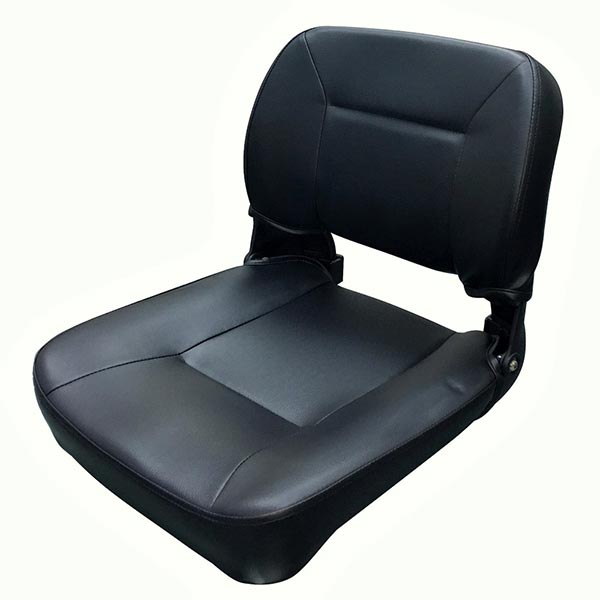
i3 Mobility Scooter Accessories
Maximise your i3 mobility scooter’s potential with our extensive selection of custom acce
If you have trouble walking or getting around a mobility scooter can transform your day-to-day life, but one of the most common questions customers ask is, where can they legally drive their mobility scooter? There is a lot of misunderstanding on the subject of where mobility scooters can be driven, users are often concerned that they are breaking the rules, while some able-bodied members of the public can often be quick to criticise and complain. This is because the information is not readily available and many people don’t know what the rules are. Here we’ll answer all the most common questions people have asked.
Mobility scooters are officially split into two different categories. Class 2 and Class 3 scooters.
Class 2 mobility scooters are intended for pavement use only – they can only reach up to 4mph, which is the legal limit for use on pavements.
Class 3 mobility scooters are intended for use on the road or the pavement – they can reach up to 8mph, but must have a setting that can limit their speed to 4mph for use on the pavement. They must be fitted with lights and indicators and be registered with the DVLA (driving license by the government of the UK) to be used on the road.
Many new mobility scooter users may be unaware that they are classed by law as a type of vehicle and as such certain rules apply to them.

Maximise your i3 mobility scooter’s potential with our extensive selection of custom acce

It’s common knowledge that there is a highway code for motor vehicles – but did you know there is one for mobility scooters too?

Explore our FAQs for insights on mobility scooters, covering key queries and guidance for users.

Exploring how time outdoors benefits health: boosts immune system, fights stress/depression and improves sleep.
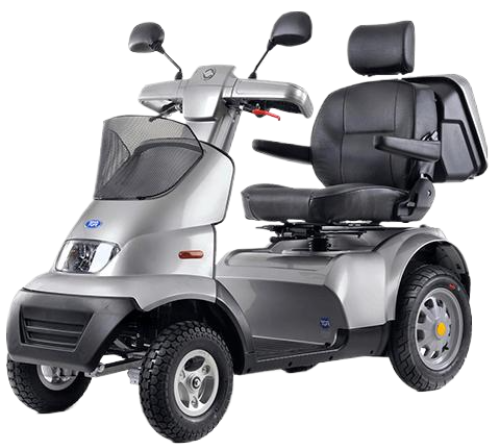
We’re often asked the question what is the difference between a Class 2 and Class 3 mobility scooter?
VAT Relief is for chronically sick or disabled people. They can buy eligible items at 0% rather than 20% VAT – thus saving them a significant amount of money.